


The conversation I almost didn’t have
How We Learned to Talk About Money Without Fighting
It took my husband, Wayne, and me eighteen years to talk about money without arguing. Not because we didn’t want to, but because we just didn’t know how.
When we got married, we had marriage preparation classes, marriage mentors, and even a financial advisor, but no one told us that we needed to talk about money, make plans, set goals, and dream together.
So for years, we butted heads. I was the saver, he was the spender, and we both assumed everything would work out. Spoiler alert: it didn’t.
I remember sitting at our kitchen table, staring at a credit card statement and feeling so frustrated. I wondered how we’d managed to get so far apart on something we were supposed to be a team about.
Looking back, I realize we weren’t simply disagreeing about money. We were bringing two very different experiences and expectations into our marriage, and neither of us really understood the other’s perspective.
Why Talking About Money in Marriage Can Feel So Hard
When you get married, you bring together two people who have grown up in two different families. Chances are, you had very different experiences when it came to money.
That doesn’t mean one way was right and the other was wrong. They were simply different.
Understanding where your spouse came from can be so important when you’re trying to understand their attitude toward money today.
Wayne had a father who lent him money. If Wayne wanted something, his dad would buy it for him and Wayne would pay him back in installments from the money he earned on his paper route.
My dad, on the other hand, always said, “Don’t leave yourself short.” He meant that you shouldn’t spend everything you have. Always leave yourself a bit of a buffer.
For years, I didn’t really understand why Wayne was comfortable with things that made me nervous. Once I understood what money had been like in his family growing up, I started to see things differently.
Debt wasn’t necessarily frightening or unfamiliar to him. It was something he had grown up with. That was a real eye-opener for me because I had assumed he would naturally have the same attitude toward money that I did.
He didn’t.
And understanding that didn’t mean I suddenly agreed with every financial decision he made. It did mean that I could stop assuming he was being careless or irresponsible and start trying to understand where he was coming from.
I think this is something we often miss in marriage. What looks irresponsible to one spouse can feel completely normal to the other because of what they learned growing up.

How to Talk to Your Spouse About Money Without Fighting
It took me three years of digging into this, listening to podcasts, reading books, and gathering every insight I could find, to learn how to talk to Wayne about money without it turning into an argument.
Here’s what actually worked for us.
First, I had to stop being the adult talking to a child.
I had to catch myself when I slipped into lecture mode, reminding Wayne what he should or shouldn’t have spent. I might have thought I was helping, but I was really putting myself in the position of correcting him.
That wasn’t the kind of marriage I wanted.
I needed to learn to talk to him like my partner, someone who was figuring this out with me, rather than someone I needed to manage.
Being right about a financial decision isn’t the same as being loving toward your husband. If the goal is for the two of you to become a team, winning the argument isn’t really winning.
4 Practical Steps You Can Take Today:

What Changed When We Got on the Same Financial Page
Once Wayne and I were able to talk about money without me nagging and without judging his spending, it wasn’t just our finances that changed. Our whole marriage changed for the better.
We were able to set goals together. We paid off debt, built an emergency fund, and saved up for an amazing trip to Disney World. Now we’re planning more trips away too.
But the biggest change wasn’t the money.
It was the feeling that we were finally on the same side.
Instead of me worrying about the finances while Wayne felt like he was being criticized, we could sit down together and ask, “What do we want to accomplish?”
That question changed our relationship with money, but it also changed our relationship with each other.
How God Used Our Money Struggles to Strengthen Our Marriage
I’ll never forget the moment Wayne said, “Let’s do this.”
He meant, “Let’s get out of debt together.”
I was bubbling over with hope. That’s the only way I can describe it. Hope literally rose up inside of me.
And that’s when I heard God clearly say, “I’m doing a new thing.”
That was the beginning of Money and Marriage.
When I look back now, I can see how God used something that had caused so much frustration in our marriage to teach us how to communicate, work together, extend grace, and dream again.
That’s why I’m so passionate about helping Christian couples get on the same financial page. I’ve experienced what can happen when two people who have been stuck in the same argument finally begin working together.
I also love inviting God into these conversations. Money can bring up fear, shame, control, disappointment, and insecurity, and those aren’t things we have to navigate on our own.
We can pray together. We can ask God for wisdom. We can choose humility when we’d rather prove our point. Most importantly, we can remember that our spouse isn’t the enemy.
We’re on the same team.
How to Start Talking About Money With Your Spouse Today
If you’ve been avoiding a money conversation with your husband, you don’t have to fix everything today. Start small.
Choose a time. Pray about it. Sit down together and ask one simple question:
“What would you love for us to accomplish financially together?”
You might be surprised by what comes next.
Ecclesiastes 4:9-12 puts it beautifully. Two working together get a better return for their labor than one alone, and if either falls, the other can help them up. What a beautiful picture of marriage.
When you work together, you can encourage each other, support each other, and hold each other accountable in a loving way. And when you can begin doing that with your money too, so much can change.
Money doesn’t have to be the thing that divides you. It can become one of the places where you learn to listen, extend grace, make decisions together, and build something side by side.
You don’t have to solve everything in one conversation. You just have to be willing to start.
image
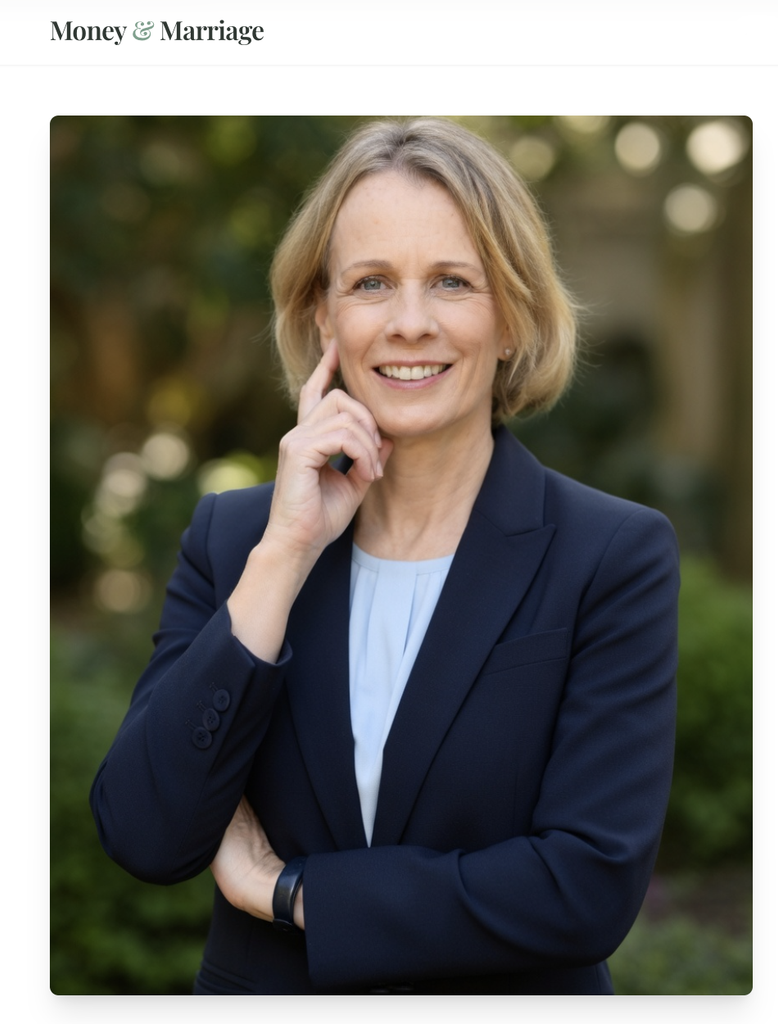
Author Bio:
Karen Hackman is a Finance Coach for Christian couples. She is passionate about helping couples talk about money and create and achieve their money goals together, as a team. When she’s not coaching, you can find her planning the next adventure with her family, most recently dreaming up a safari trip in Kenya. Connect with her at www.moneyandmarriage.net
YOU MAY ALSO LIKE:
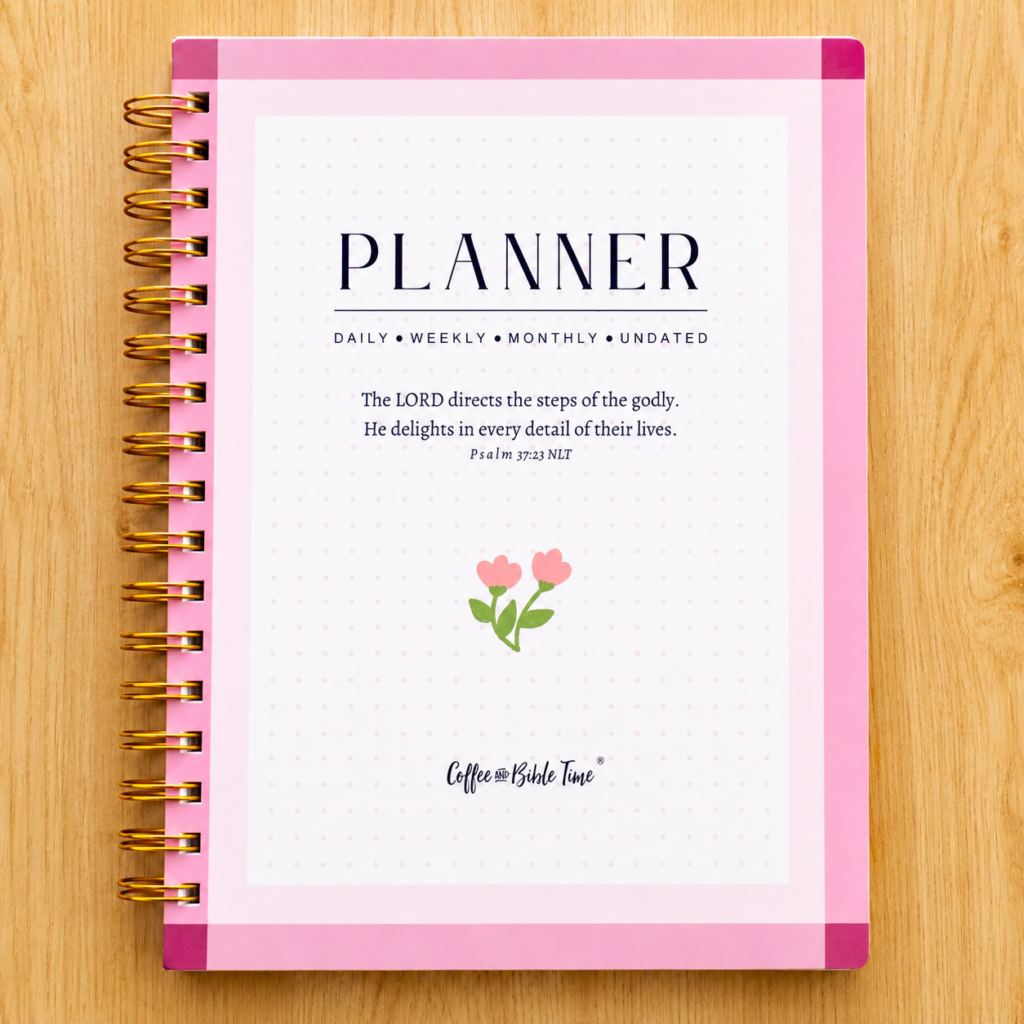
Looking for a tool to help you organize your daily routines and schedule time for big conversations? Check out theUndated Plannerto help you stay organized, set intentional goals, and keep track of what matters most!
Leave a Reply